Certificate & Postgraduate Certificate: Decolonisation and Afrocentric Knowledge
Short and intensive courses on African philosophy, decolonial thought and development practice. Accessible to professionals, students and lifelong learners.
Certificate & Postgraduate Certificate: Decolonisation and Afrocentric Knowledge
Leadership and knowledge from an Afrocentric perspective
An executive programme focused on strengthening knowledge, leadership and personal development from an Afrocentric standpoint. Participants explore, alongside leading scholars from Ghana and the African diaspora, new insights into decolonisation and their meaning for the individual, for leadership, and for community.
Programme
Drawing on personal experience and scholarly expertise, international Afrocentric thinkers connect new insights with challenging reflections on the individual, leadership, organisation and society. The programme strengthens your capacity for critical thinking, nuanced judgement and considered action from an Afrocentric perspective — beyond the familiar, Western horizon.
Six core subject areas
Across four week-long modules, spread from September 2026 through January 2027, you explore six scholarly domains within the Afrocentric tradition: Foundations of Afrocentric Knowledge, Diaspora, Slavery and Power, Gender and Generational Perspectives, Afrocentric Entrepreneurship, Applied Afrocentric Leadership, and Education and Institutional Transformation.
One group, one evening track
Each module is offered as a single evening group, running from 16:00 to 19:00, open to both the Certificate track (open entry) and the Postgraduate Certificate track (bachelor's degree or equivalent required). Both entry levels follow the same course content, differentiated in depth and assessment.
The guest lecturer as connecting thread
Each module is led by one international guest lecturer who travels from Ghana to the Netherlands for that block. Following the teaching week, two days of tutoring and extra sessions are available for one-to-one and small-group work with the lecturer.
Speakers: Prof. Mamudu (Block 1), Dr. Francis Niagia Santuah (Block 2), David Millar (Block 3), Dr. Katherine Kaunza-Nu-Dem Millar (Block 4), supported by co-presenters from the Netherlands and the diaspora.
Learn with depth and purpose.
Broos Institute programs are designed for professionals and students seeking Afrocentric academic perspectives outside the mainstream curriculum.
Location: ROCvA MBO College Zuidoost, Fraijlemaborg 135, 1102 CV Amsterdam
| Block | Dates | Course(s) | Session Times |
|---|---|---|---|
| Block 1 | Mon 28 Sep – Fri 2 Oct 2026 | Foundations of Afrocentric Knowledge Afrocentric Entrepreneurship |
16:00–19:00 |
| Block 2 | Mon 26 – Fri 30 Oct 2026 | Diaspora, Slavery and Power Applied Afrocentric Leadership |
16:00–19:00 |
| Block 3 | Mon 16 – Fri 20 Nov 2026 | Education & Institutional Transformation | 16:00–19:00 |
| Block 4 | Mon 11 – Fri 15 Jan 2027 | Gender & Generational Perspectives of Afrocentrism | 16:00–19:00 |
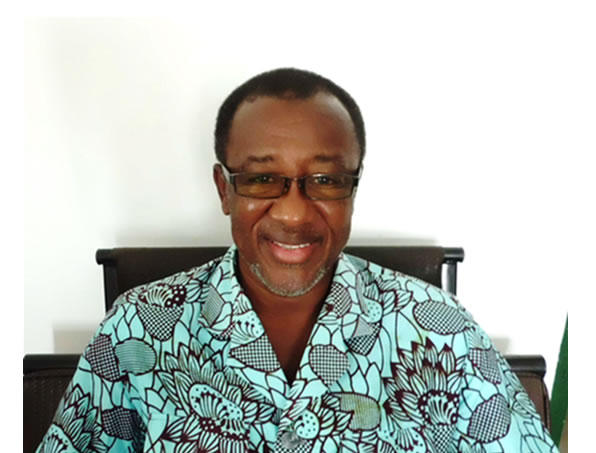
Professor Dr. David Millar is President of the Millar Institute for Transdisciplinary and Development Studies (Millar Open University, MITDS), which he founded in northern Ghana, specialising in postgraduate, post-doctoral and post-masters research and teaching in Culture and Development Studies. Until his retirement he served as Pro-Vice Chancellor of the University for Development Studies (UDS) from 2008 to 2012, having previously been Dean for Research and Postgraduate Programmes and Dean of the Centre for Interdisciplinary Research at UDS. In 1990 he founded the NGO Centre for Cosmovision and Indigenous Knowledge (CECIK), focused on indigenous knowledge and science in research and development, and between 1999 and 2002 he was Project Coordinator for the World Bank-funded Savannah Resource Management Project. He holds a PhD in Agricultural and Environmental Sciences, an MSc in Management of Agricultural Knowledge Systems from Wageningen Agricultural University in the Netherlands, and a BSc in Animal Science from the University of Ghana, alongside postgraduate certificates in Rural Extension and Farming Systems Research from the International Agricultural Centre, Netherlands. He has advised Ghana's National Development Planning Commission and various government bodies, and has served on the boards of organisations including CIKOD, CARE International, WaterAid and Sentinel. Over more than two decades he has led numerous consultancies and research assignments for the World Bank, UNICEF, DANIDA, GEF, FAO and the European Union, spanning land policy, natural resource management, food security, gender, indigenous knowledge systems and curriculum development across Ghana and West Africa. He is a Full Professor in Integrated Development Studies and a Fellow of the African Studies Centre, Leiden, the Netherlands.
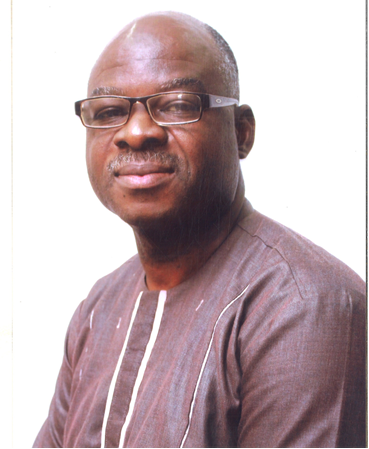
Francis Niagia Santuah, PhD, is a multilingual communication scientist (Kiswahili, French, English) and indigenous knowledge systems analyst with over 25 years of experience across Africa spanning teaching, research, capacity building, implementation science and development communication in support of evidence-based decision-making. A professional translator and award-winning journalist of international standing, he is widely published in journalistic, development and peer-reviewed scientific outlets. He currently serves as acting Dean of the Faculty of Culture and Development Studies at the Millar Institute for Transdisciplinary and Development Studies in Ghana, and as adjunct professor at multiple universities. He is also the Communications and Dissemination Expert for the African Health Initiative Community of Practice at the Regional Institute for Population Studies, University of Ghana, Legon, where he leads the translation of research outputs into health systems strengthening for last-mile communities. He holds a Bachelor's degree in Languages, a graduate degree in Communication Studies, a Master's in Governance and Leadership, a Diploma in French Translation, and a terminal degree in Culture and Development Studies.
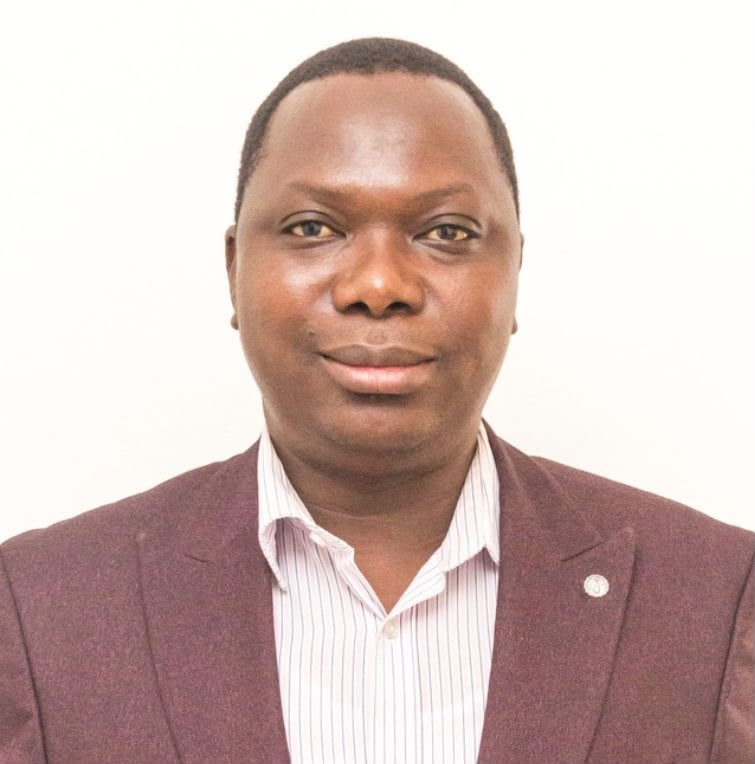
Prof. Mamudu Abunga Akudugu is a Ghanaian agricultural economist, researcher and academic leader. He is Professor of Agricultural Economics at the University for Development Studies (UDS), where he serves as Director of the Institute for Interdisciplinary Research (IIR), and is the immediate past National President of the University Teachers Association of Ghana (UTAG), providing leadership on higher education policy, academic welfare and university governance. He holds a PhD in Livelihoods (International and Rural Development) from the University of Reading, United Kingdom, an MPhil in Agricultural Economics from the University of Ghana, and a BSc in Agriculture Technology from UDS. Across his academic career he has held several strategic positions at UDS, including Head of Research and Grants Support, Head of the University Consultancy Services Unit, Deputy Director of the Institute for Interdisciplinary Research, and Director of Research, Innovation and Partnership Services. His research spans agricultural economics, rural livelihoods, climate change adaptation, food security, inclusive development, value chains, monitoring and evaluation, and the decolonisation of knowledge. He has published extensively in peer-reviewed journals and served as a consultant and impact evaluator for national and international organisations, including the Food and Agriculture Organization of the United Nations.
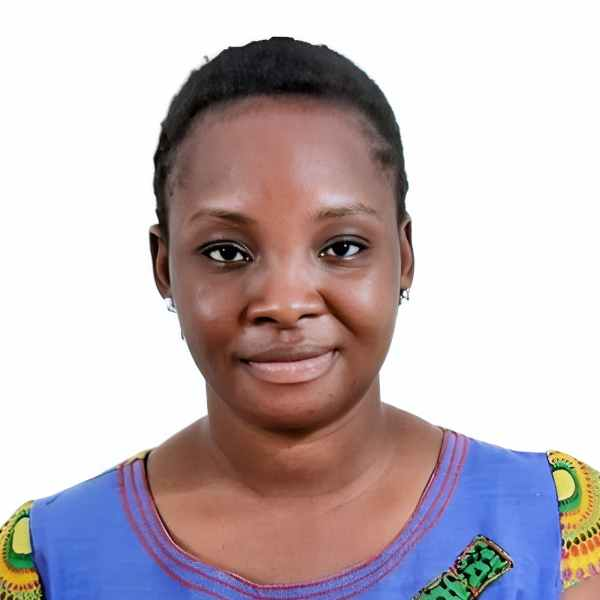
Katherine Kaunza-Nu-Dem Millar is a Ghanaian development scholar, researcher and academic. She is a Lecturer in the Faculty of Social Sciences at the University for Development Studies (UDS), where she teaches, supervises undergraduate research and contributes to interdisciplinary research and community engagement, combining academic scholarship with practical solutions to contemporary development challenges. She holds a PhD in Culture and Development, an MPhil in Culture and Development, and a BSc in Planning, all from UDS. She has served in a range of academic and research capacities, including Lecturer, Senior Research Assistant, Research Assistant and Teaching Assistant, gaining extensive experience in research, teaching, project implementation and academic mentorship. Her research focuses on climate change vulnerability and adaptation, gender and development, culture and development, sustainable livelihoods, resilience, social inclusion and rural transformation, and she has published extensively in peer-reviewed journals and books on climate change, livelihoods, land governance, food security and agricultural development.
Can't find what you're looking for? Contact us about custom learning pathways, group courses or institutional training.